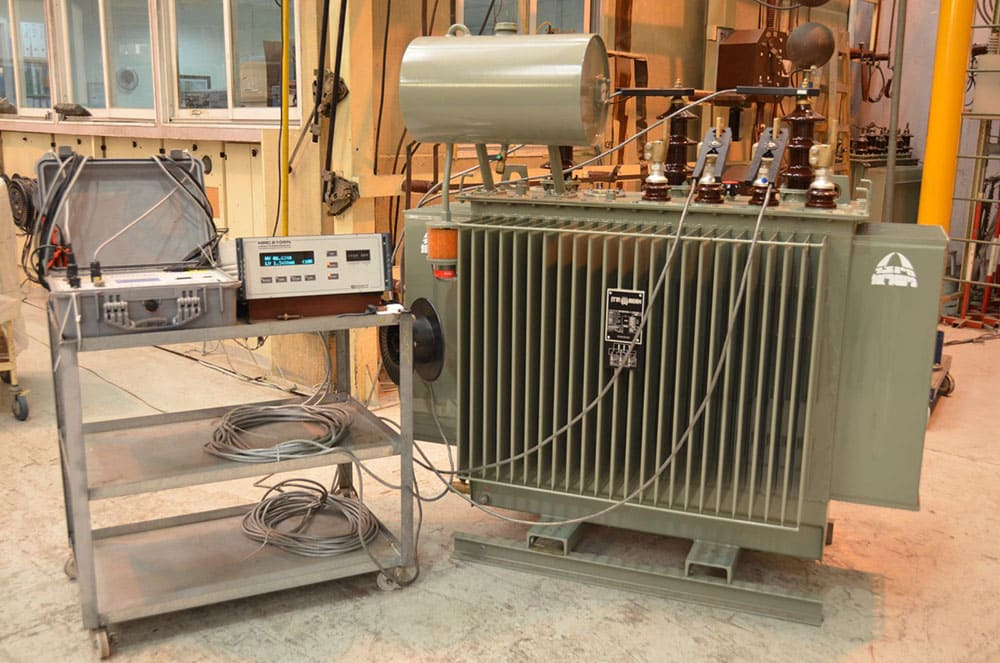
Modern electrical networks require advanced protection methods to maintain safety, stability, and uninterrupted operation. As power systems become more complex, effective grounding solutions are essential for controlling fault currents and protecting critical electrical equipment. Zigzag earthing transformer solutions enhancing ground fault protection systems provide an efficient approach to improving electrical safety by creating a reliable neutral grounding point in networks that require additional grounding support.
Zigzag earthing transformers are widely used in industrial facilities, utility networks, renewable energy installations, and distribution systems where reliable fault detection and protection are necessary. Their unique winding arrangement allows them to provide a grounding path while improving system performance during abnormal electrical conditions.
By strengthening grounding systems and supporting protective devices, zigzag earthing transformers help reduce equipment damage, improve fault response, and increase the overall reliability of electrical infrastructure.
Understanding Zigzag Earthing Transformer Technology
A zigzag earthing transformer is a specialized transformer designed to provide grounding capability in electrical systems without an available neutral connection. It uses a unique zigzag winding configuration that creates a neutral point for connecting the system to earth.
Unlike conventional transformers used mainly for voltage conversion, zigzag earthing transformers are primarily designed for grounding applications.
Their main functions include:
- Providing a neutral grounding point
- Limiting ground fault current
- Supporting protection systems
- Improving voltage stability
- Reducing electrical risks
The zigzag winding design allows zero-sequence currents caused by ground faults to flow effectively through the transformer, enabling protective equipment to detect and clear faults quickly.
Importance of Ground Fault Protection in Electrical Systems
Ground faults occur when an energized conductor unintentionally connects with the ground or grounded equipment. These faults can create dangerous conditions if they are not detected and controlled properly.
Effective ground fault protection helps prevent:
- Equipment damage
- Electrical fires
- System instability
- Unexpected power interruptions
- Safety hazards for personnel
Electrical systems without proper grounding may experience uncontrolled fault currents, making protection coordination more difficult.
Zigzag earthing transformers improve ground fault protection by providing a controlled path for fault current, allowing protective devices to operate accurately.
How Zigzag Earthing Transformers Improve Protection Systems
Establishing a Neutral Grounding Point
Many delta-connected electrical systems do not have a natural neutral point. This creates challenges when implementing effective grounding protection.
A zigzag earthing transformer solves this issue by creating an artificial neutral connection.
This neutral point allows:
- Ground fault current measurement
- Protective relay operation
- Controlled fault management
- Improved system monitoring
By establishing a stable reference point, the transformer enhances the overall reliability of the electrical network.
Controlling Ground Fault Currents
Excessive fault current can cause severe damage to electrical components.
Zigzag earthing transformers help control fault current levels by providing an appropriate grounding impedance.
This balance allows the system to:
- Detect faults effectively
- Limit equipment stress
- Protect electrical components
- Maintain system stability
Controlled fault current improves both safety and equipment lifespan.
Improving Relay Coordination
Protective relays depend on accurate fault information to respond correctly.
A zigzag earthing transformer provides the necessary fault current path, helping relays identify abnormal conditions more effectively.
Better relay coordination results in:
- Faster fault isolation
- Reduced downtime
- Improved system reliability
- Fewer unnecessary shutdowns
Key Features of Advanced Zigzag Earthing Transformer Solutions
Specialized Zigzag Winding Design
The unique winding arrangement is the defining feature of these transformers.
The zigzag configuration provides a low-impedance path for zero-sequence currents while maintaining system stability during normal operation.
This design makes these transformers highly effective for grounding applications.
Robust Construction Materials
Reliable performance requires durable internal components.
High-quality zigzag earthing transformers typically include:
- Premium magnetic cores
- Strong conductor materials
- Advanced insulation systems
- Protective enclosures
These components help the transformer withstand electrical and environmental stress.
Thermal Management Capabilities
Grounding transformers may experience significant current flow during fault conditions.
Effective thermal design ensures that heat generated during operation is properly managed.
Advanced cooling solutions help:
- Maintain safe temperatures
- Protect insulation materials
- Improve service life
- Support reliable operation
Compact Installation Design
Zigzag earthing transformers are designed to integrate easily into existing electrical systems.
Their compact structure makes them suitable for locations where space efficiency is important.
Applications of Zigzag Earthing Transformers
Industrial Electrical Networks
Industrial facilities often operate complex power systems with large motors, automation equipment, and sensitive controls.
Zigzag earthing transformers provide improved grounding protection for:
- Manufacturing plants
- Processing facilities
- Industrial machinery
- Control systems
They help prevent electrical faults from causing major operational disruptions.
Utility Distribution Systems
Electrical utilities use zigzag transformers to improve the reliability of distribution networks.
Applications include:
- Substations
- Medium-voltage networks
- Distribution feeders
- Grid protection systems
They help utilities maintain stable operation while improving fault management capabilities.
Renewable Energy Projects
Renewable energy systems require effective grounding solutions to maintain safe grid connections.
Zigzag earthing transformers support:
- Solar power plants
- Wind energy facilities
- Battery storage systems
- Hybrid energy networks
They improve protection performance and help renewable sources integrate safely with electrical grids.
Data Centers and Critical Infrastructure
Facilities that depend on continuous electricity require reliable protection systems.
Zigzag grounding solutions help protect critical infrastructure by improving fault detection and reducing electrical risks.
Advantages of Using Zigzag Earthing Transformer Solutions
Enhanced Electrical Safety
A properly grounded system reduces the risks associated with electrical faults.
Zigzag earthing transformers improve safety by controlling fault currents and supporting protective equipment.
Improved System Reliability
Reliable grounding helps maintain stable electrical operation during abnormal conditions.
This reduces unexpected interruptions and improves overall system availability.
Protection of Electrical Equipment
Electrical components can suffer severe damage from uncontrolled fault currents.
By limiting fault levels, zigzag transformers help protect:
- Switchgear
- Cables
- Generators
- Distribution equipment
- Power transformers
Flexible System Integration
Zigzag earthing transformers can be applied to various electrical configurations, making them suitable for different industries and infrastructure requirements.
Factors to Consider When Selecting a Zigzag Earthing Transformer
Voltage Rating
The transformer must be compatible with the voltage level of the electrical network.
Correct voltage matching ensures safe and effective grounding performance.
Fault Current Capacity
Engineers must determine expected fault conditions when selecting a transformer.
Proper sizing ensures the system can manage faults without excessive stress.
Grounding Requirements
Different applications require different grounding characteristics.
Important considerations include:
- System design
- Protection objectives
- Fault clearing requirements
- Operating conditions
Environmental Conditions
Installation factors should also influence transformer selection.
Considerations include:
- Temperature range
- Moisture exposure
- Indoor or outdoor location
- Available installation space
Maintenance Requirements for Reliable Operation
Regular maintenance ensures continued performance and safety.
Important maintenance activities include:
Visual Examination
Routine inspections can identify:
- Physical damage
- Corrosion
- Loose connections
- Overheating indicators
See also: Challenges in Managing Cloud Spending
Electrical Testing
Testing helps verify:
- Insulation condition
- Winding performance
- Grounding effectiveness
Performance Monitoring
Modern monitoring systems allow operators to track transformer health and detect potential issues early.
Future Developments in Grounding Protection Technology
As electrical systems become smarter and more interconnected, grounding technologies will continue evolving.
Future improvements may include:
- Advanced condition monitoring
- Automated fault analysis
- Improved protection coordination
- Integration with smart grid systems
These advancements will help create safer and more reliable electrical networks.
Conclusion
Zigzag earthing transformer solutions enhancing ground fault protection systems provide an effective method for improving electrical safety, reliability, and fault management. Through their specialized winding design and reliable grounding capabilities, these transformers help create stable neutral points, control fault currents, and support accurate protection system operation.
From industrial power networks and utility applications to renewable energy projects and critical infrastructure, zigzag earthing transformers play an important role in protecting electrical assets and maintaining continuous power availability.
As modern power systems continue to expand, reliable grounding solutions will remain essential for building safer, more resilient, and efficient electrical networks.